
Kennesaw Climate & Local Conditions
66-69°F Dew Points: Why Dehumidification Matters as Much as Cooling
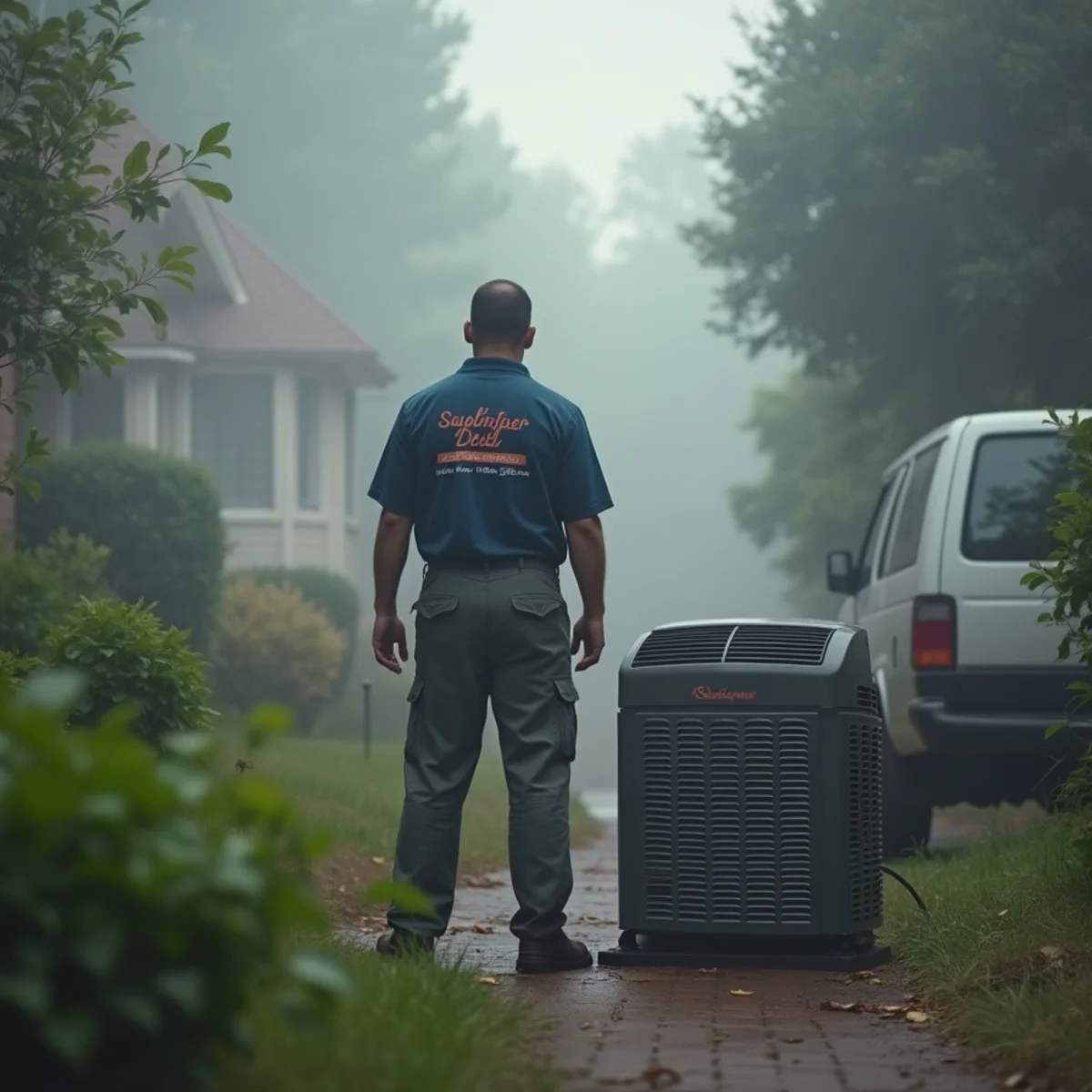
Why 74 degrees can still feel miserable
Here is a scene we hear about all summer in Kennesaw. The thermostat says 74, the AC has been running for hours, and the house still feels damp and sticky. The floors feel a little clammy, the sheets never quite dry out, and someone keeps nudging the thermostat lower without it helping. The problem is not temperature. It is moisture in the air, and in Georgia there is a lot of it.
Meteorologists measure that moisture with dew point, the temperature at which air becomes saturated. Metro Atlanta summers routinely run dew points of 66 to 69 degrees, which is squarely in the range people describe as oppressive. At those dew points, the air holds so much water that your skin cannot shed heat by evaporating sweat, so you feel warm and gross even in a technically cool room.
Dew point versus relative humidity, in plain terms
You have seen relative humidity on a weather app, a percentage that swings all day. Dew point is more honest for comfort because it does not change as the air warms and cools. A 68-degree dew point means the same amount of water in the air whether it is noon or midnight.
Inside your home, what matters is relative humidity, and the EPA recommends keeping it between 30 and 50 percent, and always below 60. When outdoor dew points sit near 68, indoor relative humidity climbs toward and past 60 unless something actively pulls water out of the air. That something is supposed to be your AC, but it has limits.
How your AC removes humidity, and where it falls short
Your air conditioner is also a dehumidifier, at least part time. When warm indoor air passes over the cold evaporator coil, water condenses on the coil, drips into the drain pan, and leaves through the condensate drain. That is real moisture removal, and on a normal day it is enough.
The trouble comes when the AC does not run long enough to wring out much water. This happens in two common Kennesaw situations: mild, muggy days in spring and fall when it is humid but not hot, and oversized systems that cool the house fast and shut off before they have dehumidified. Short run times mean short moisture removal. The house hits temperature but stays damp.
The signs your home has a humidity problem, not a cooling problem
If you recognize several of these, lowering the thermostat is not your answer.
- The house feels sticky even when the thermostat reads a comfortable number.
- Windows or vents sweat, and you see condensation on cold surfaces.
- A musty smell lingers, especially in closets, basements, and back rooms.
- Wood floors cup, doors stick, or you spot mildew on bathroom ceilings and trim.
- Someone in the house has allergies or asthma that get worse indoors in summer.
Why chasing the thermostat backfires
The instinct is to set the thermostat to 70 or lower to beat the stickiness. Sometimes that helps a little, because longer run times remove more water. But it also overcools the house, spikes the power bill, and can freeze the coil if airflow is marginal. You end up cold and still damp, paying more for the privilege. Cooling and dehumidifying are related but separate jobs, and past a point, asking the AC to do both by running colder is the wrong tool.
What a whole-home dehumidifier actually does
A whole-home dehumidifier ties into your ductwork and removes moisture independently of whether the AC is cooling. That decoupling is the whole point. On a muggy 78-degree spring day when the AC barely runs, the dehumidifier still pulls the air down to a comfortable 45 to 50 percent relative humidity.
- You stay comfortable at a higher, cheaper thermostat setting because dry air at 75 feels better than damp air at 71.
- The house stops feeling clammy, and the musty smell fades as materials dry out.
- You protect wood floors, furniture, and finishes from moisture damage and cupping.
- You reduce the conditions that let mold and dust mites thrive, which helps allergy sufferers.
Get an honest humidity assessment for your home
Not every Kennesaw house needs a whole-home dehumidifier. Sometimes the fix is a properly sized AC, a sealed crawl space, or a corrected fan setting that stops re-evaporating moisture off the coil. The right first step is measuring what your home is actually doing, indoor relative humidity, run times, and where the moisture is coming from, and then matching the solution to the problem.
If your Kennesaw home feels sticky no matter where you set the thermostat, call HVAC Kennesaw GA at +1 (327) 210-5999. We will measure your indoor humidity, explain what your dew point is doing to your comfort, and recommend the honest fix, whether that is a dehumidifier or something simpler.
Frequently Asked Questions
What indoor humidity level should I aim for in a Georgia summer?
Will a bigger air conditioner fix my humidity problem?
Do I really need a whole-home dehumidifier, or is a portable one enough?
Need a hand from a local Kennesaw HVAC tech?
Same-day service across Kennesaw & Acworth — 24/7 during ice storms and heat waves.
3600 Kennesaw N Ind Pky, Kennesaw, GA 30144