
Seasonal Checklists
Keeping Your Crawl Space Dry: A Moisture-Prevention Checklist
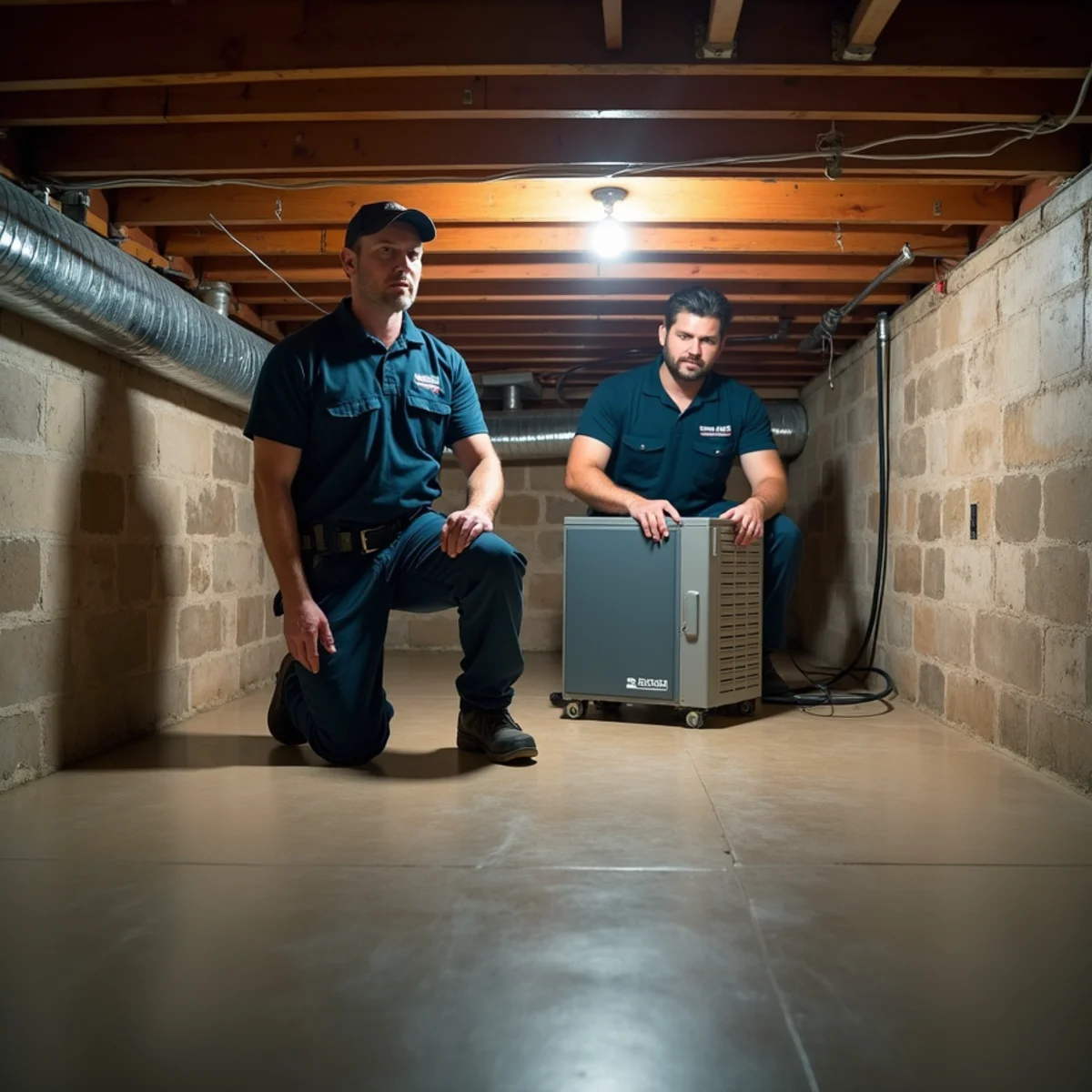
Why a dry crawl space is worth the effort
The crawl space is the most ignored part of most Georgia homes, and in our humid climate that neglect has a cost. A damp crawl space breeds mold, rots the wood holding up your floors, wrecks the duct insulation down there, and feeds musty air up into your living space through the stack effect. Keeping it dry protects your health, your HVAC system, and the structure of the house.
The good news is that crawl-space moisture is manageable with a clear routine. This checklist walks through what to inspect, what you can handle yourself, and where a professional makes the difference, so the space under your home works for you instead of against you.
Inspect the crawl space regularly
You cannot fix what you never look at. A couple of times a year, ideally in spring and fall, take a look at what is happening under your floor, or have someone do it.
- Look for standing water, damp soil, or a wet vapor barrier after heavy rain.
- Check wood joists and subfloor for dark staining, soft spots, or visible mold.
- Note any musty smell, which is the earliest sign of a moisture problem.
- Inspect the ductwork and its insulation for sagging, condensation, or damage.
- Watch for signs of pests, which are drawn to damp wood.
Control water from the outside first
Much crawl-space moisture comes from water that should never have reached the foundation. Handling the outside is the cheapest, most effective first step.
- Clean gutters and make sure downspouts discharge well away from the foundation, not right beside it.
- Grade the soil so it slopes away from the house, directing rainwater away rather than toward the crawl space.
- Fix any plumbing leaks feeding water into the space.
- Address low spots in the yard where water pools against the foundation.
Manage the moisture already in the space
In Georgia's humidity, even a crawl space with good drainage collects moisture from the ground and the humid air itself. Controlling that is the core of the job.
- Lay a proper vapor barrier over bare earth so ground moisture cannot evaporate into the space.
- Reconsider the old open-vent approach, since humid Georgia summer air pouring through foundation vents often adds moisture rather than removing it.
- For chronic dampness, sealing and encapsulating the crawl space with controlled humidity is the durable fix.
- Add dedicated dehumidification if the space cannot hold below 60 percent relative humidity on its own.
Protect the ductwork down there
In many Cobb County homes, the ductwork runs through the crawl space, which puts your air distribution in the dampest part of the house. Moisture attacks it directly, and leaky ducts pull that damp, musty air into your home. Protecting the duct is both an air-quality and an efficiency issue.
- Seal duct leaks so the system is not pulling in or leaking out air in the crawl space.
- Replace duct insulation that has gotten damp, moldy, or fallen off, since wet insulation does nothing.
- Make sure supply ducts are not sweating, which points to a humidity problem that needs addressing.
- Confirm the ducts are properly supported and not sagging into moisture on the ground.
Watch the EPA moisture rules
The EPA's guidance for preventing indoor mold is straightforward and applies directly to crawl spaces: keep relative humidity below 60 percent and dry any wet materials within 24 to 48 hours. A crawl space that stays above 60 percent for weeks on end is a mold factory by definition. If you find water intrusion, act on it quickly rather than letting materials stay wet, because once mold takes hold on wood and insulation, remediation gets expensive.
Get a professional assessment for lasting results
A homeowner can handle gutters, grading, and inspection, but sealing ducts, encapsulating a crawl space, and sizing dehumidification are jobs for a professional who can connect the crawl-space conditions to what your HVAC system and indoor air are doing. HVAC Kennesaw GA can evaluate your ductwork and crawl-space moisture and build a plan that keeps the space dry for good. Call us at +1 (327) 210-5999 to schedule an honest look under your home.
Frequently Asked Questions
Should I keep my crawl-space vents open or closed in Georgia?
How do I know if my crawl space has a moisture problem?
Can a damp crawl space really affect my HVAC system?
Need a hand from a local Kennesaw HVAC tech?
Same-day service across Kennesaw & Acworth — 24/7 during ice storms and heat waves.
3600 Kennesaw N Ind Pky, Kennesaw, GA 30144