
Seasonal Checklists
Ice Storm Prep: A Winter HVAC & Generator Checklist for Cobb Homes
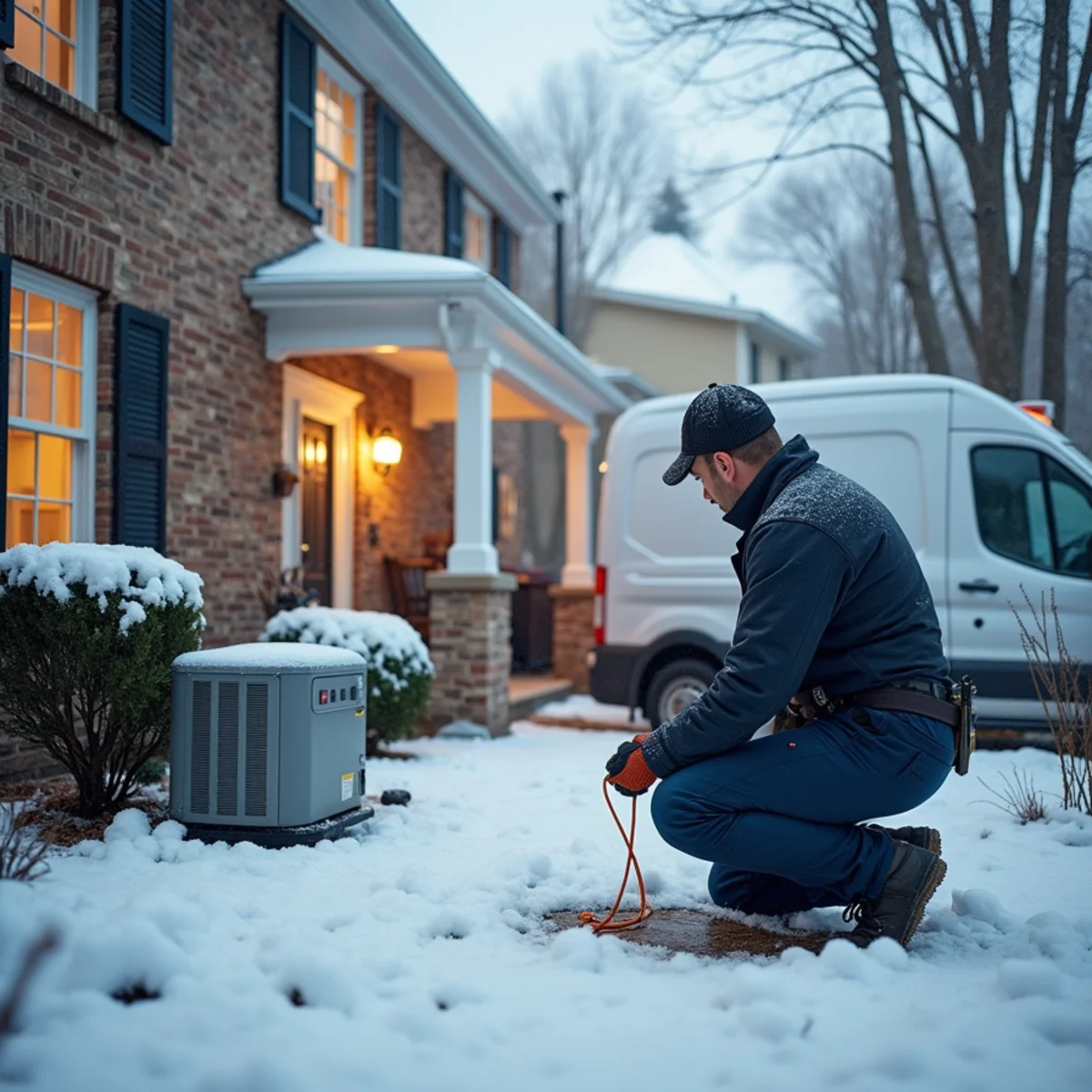
Prepare before the forecast, not during it
Cobb County does not get many ice storms, but the ones we get, like the 2014 event locals call Snowmageddon, shut everything down and knock out power for days. The stores empty, the roads glaze over, and the time to prepare is long gone. The whole point of a checklist is to do this work on a calm week in advance, so that when the forecast turns ugly you are ready instead of scrambling.
This covers both sides of an ice storm: keeping your HVAC system able to heat when it can, and staying warm and safe when the power goes out entirely.
Get your heating system storm-ready
An ice storm pushes your heating system hard, and a marginal system fails under that load. Handle this before the cold arrives.
- Have your furnace or heat pump checked in the fall so weak parts get caught before the storm load finds them.
- Change the filter so the system moves air freely when it is working overtime.
- Know whether your backup heat is gas or electric, so you understand what Emergency Heat will and will not do.
- Clear the area around your outdoor unit so ice and debris do not compound the problem.
- Learn where your electrical panel is and which breakers serve the air handler and heat strips.
Plan your backup heat honestly
When the grid goes down, your central heat goes with it, because even a gas furnace needs electricity for its blower and controls. That reality is where people get hurt every winter improvising unsafe heat. Plan the safe version now.
- Decide in advance how you will heat one room if the power fails, using only indoor-rated heaters.
- Never plan to use a gas stove, oven, charcoal grill, or camp stove indoors, since carbon monoxide from these kills.
- Keep indoor-rated heaters three feet from anything flammable and never run them while sleeping.
- Stock warm blankets, sleeping bags, and layers so you rely less on any heat source.
- Pick one room to concentrate heat in, ideally an interior room with few windows.
The generator safety rules that are not optional
A portable generator can keep your furnace blower, fridge, and phones running through an outage, but generators kill people every year through carbon monoxide poisoning. Follow these without exception.
- Run a portable generator outdoors only, at least 20 feet from the house, with the exhaust pointed away.
- Never run a generator in a garage, carport, crawl space, or near open windows, even with a door open.
- Use heavy-duty, outdoor-rated extension cords, and never back-feed power into an outlet, which endangers utility crews and your home.
- For powering the furnace directly, a properly installed transfer switch by a licensed electrician is the safe method, not improvised wiring.
- Store fuel safely away from living spaces and never refuel a hot, running generator.
Protect your pipes while you are at it
An ice storm that cuts your heat for days threatens your plumbing, and a burst pipe turns a cold night into a flooded, expensive disaster. Bake pipe protection into your storm prep.
- Know where your main water shutoff is and make sure it works before you need it.
- During the freeze, let a thin stream drip from the farthest fixture and open cabinet doors under sinks.
- Disconnect garden hoses and insulate outdoor spigots ahead of the storm.
- Insulate pipes in the crawl space, garage, and exterior walls where they are most exposed.
Build a simple storm kit
The families who ride out an ice storm comfortably have a few basics gathered in advance rather than fighting empty store shelves the day before.
- Flashlights and fresh batteries, since candles are a fire risk in a cold, cluttered house.
- Working carbon monoxide detectors on every level, tested with fresh batteries.
- A stock of water, non-perishable food, and any medications.
- Phone chargers and a power bank, plus a plan to charge devices if the outage runs long.
- Blankets, warm clothing, and a plan for pets.
Get your system checked before the ice arrives
The best ice storm prep is a heating system you trust and a plan you rehearsed. If you want your furnace or heat pump checked before winter, or your heat is already out during a storm, HVAC Kennesaw GA runs emergency HVAC service across Cobb County. Call us at +1 (327) 210-5999, and let us make sure your heat is ready before the next ice storm tests it.
Frequently Asked Questions
Can I run my furnace off a portable generator during an outage?
What is the safest way to heat one room during a power outage?
How do I keep my pipes from freezing if the heat goes out?
Need a hand from a local Kennesaw HVAC tech?
Same-day service across Kennesaw & Acworth — 24/7 during ice storms and heat waves.
3600 Kennesaw N Ind Pky, Kennesaw, GA 30144