
Kennesaw Climate & Local Conditions
Snowmageddon Lessons: Keeping Heat Running When Cobb County Ices Over
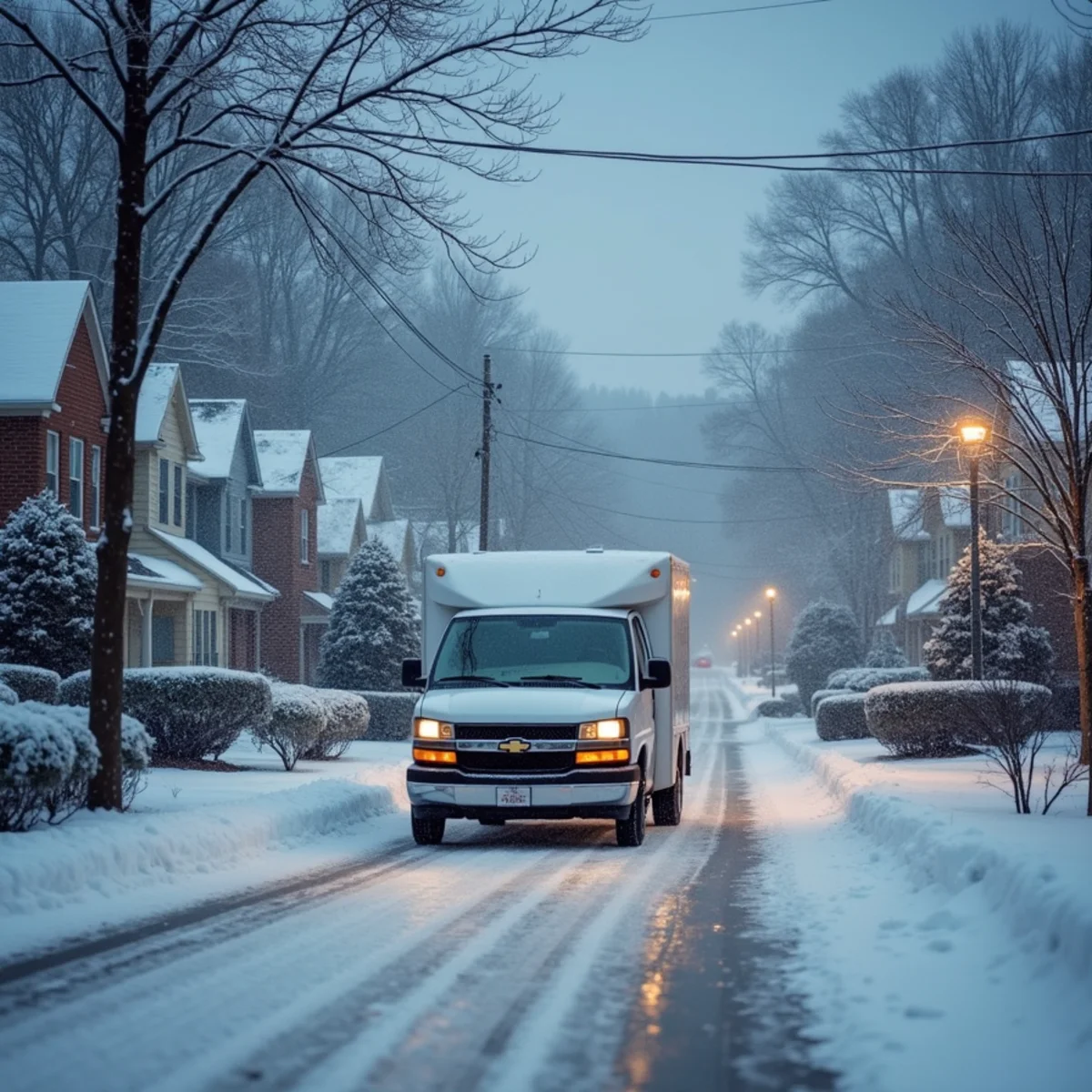
Why an inch of ice matters more here than a foot of snow up north
People who moved to Kennesaw from colder states are sometimes surprised at how hard a Georgia ice event hits. It is not the amount of frozen water, it is the type. When temperatures hover right at freezing and rain keeps falling, everything glazes over: tree limbs, power lines, roads, and the outdoor half of your heating system. The 2014 storm locals still call Snowmageddon dropped only a couple of inches, but it shut Cobb County down and left thousands without power for days.
For your heating, two things happen at once during an ice event. Power flickers or fails, and the outdoor unit ices up. A humid subtropical climate that spends most of the year fighting heat and dew point is suddenly asked to hold a house at 68 degrees while the grid is unreliable. That combination is exactly where we get our busiest no-heat calls of the winter.
How ice actually stops a Kennesaw heating system
Most newer Kennesaw homes run a heat pump, sometimes paired with a gas or electric backup. A heat pump pulls warmth from outdoor air, so it lives or dies on airflow across the outdoor coil. When freezing rain coats that coil and the fan blades, the unit cannot breathe. It runs, draws power, and delivers almost nothing to the house.
- Freezing rain glazes the outdoor coil so the fan cannot move air across it.
- The defrost cycle, which normally melts light frost, gets overwhelmed by continuous ice.
- Backup electric heat strips kick on to cover the gap and can trip breakers if the load is high.
- Brownouts and surges during the storm damage capacitors, contactors, and control boards.
What to do the moment the heat drops during an ice storm
First, do not panic and do not chip at the ice on the outdoor unit with anything metal. You can bend a fin or puncture a refrigerant line and turn a one-day problem into a week-long repair. Check the simple things in a set order, then decide whether you need a technician.
- Confirm the thermostat still has power and is set to Heat, not Emergency Heat, unless the outdoor unit is fully iced.
- Look at your outdoor unit from a safe distance. A solid shell of ice means the heat pump cannot work and backup heat should carry the house.
- Check your electrical panel for a tripped breaker on the air handler or heat strips, and reset it once.
- If the fan is running but no warm air reaches the vents after 20 minutes, stop guessing and call.
Emergency Heat: when to use it and when it costs you
Your thermostat has an Emergency Heat setting for exactly this situation. It locks out the frozen heat pump and runs your backup, either gas or electric resistance strips. During an active ice storm with a glazed outdoor unit, that is the right call. It keeps the house warm without the heat pump fighting a losing battle.
The catch is cost. Electric strip heat is expensive to run for long stretches, and gas backup burns fuel faster than the heat pump would. Use Emergency Heat to get through the storm, then switch back to normal Heat once the ice melts and the outdoor unit is clear. Leaving it on Emergency Heat for a week is one of the most common reasons for a shocking January power bill in Cobb County.
Safe backup heat when the power is out
If the grid goes down, your central system is down with it, even a gas furnace, because the blower and controls need electricity. This is where people get hurt every winter reaching for unsafe heat. The rules here are not optional.
- Never run a gas stove, oven, or outdoor grill indoors for heat. Carbon monoxide from these has killed Georgians during past storms.
- Keep any portable generator at least 20 feet from the house, never in a garage or crawl space, even with the door open.
- Use only heaters rated for indoor use, keep them three feet from anything flammable, and never leave them running while you sleep.
- Close off unused rooms, hang blankets over drafty doorways, and let everyone gather in one warm space.
Protecting pipes while the house cools
A cold house during a multi-day outage risks frozen pipes, especially in Kennesaw homes with plumbing routed through unconditioned crawl spaces and exterior walls. If your heat is out and temperatures are in the teens, open cabinet doors under sinks so warmer room air reaches the pipes, and let a pencil-thin stream of water run from the fixture farthest from your main. Moving water is much harder to freeze than still water. Know where your main shutoff is before you need it.
Get ready before the next storm, not during it
The homeowners who sailed through the last few ice events had two things in common: a system that got a heating check in the fall, and a plan for backup heat that did not involve improvising. A fall inspection catches the weak capacitor or corroded contactor that would otherwise fail under storm load. Sealing the crawl space and insulating exposed pipe reduces the freeze risk. And knowing whether your backup is gas or electric tells you what to expect from Emergency Heat.
If your heat is out right now during an ice event, or you want your system checked before the next freeze glazes Cobb County, call HVAC Kennesaw GA at +1 (327) 210-5999. We run emergency furnace and heat pump calls across Kennesaw and Cobb County, and we would rather get you warm tonight than have you improvising with a space heater.
Frequently Asked Questions
Should I pour hot water on my iced-over heat pump during a storm?
Why did my heat pump stop keeping up during the ice storm?
Is it safe to run my furnace during a power outage?
Need a hand from a local Kennesaw HVAC tech?
Same-day service across Kennesaw & Acworth — 24/7 during ice storms and heat waves.
3600 Kennesaw N Ind Pky, Kennesaw, GA 30144