Seasonal Checklists
How Often to Change Filters During Cobb County Pollen Season
Pollen season changes the rules
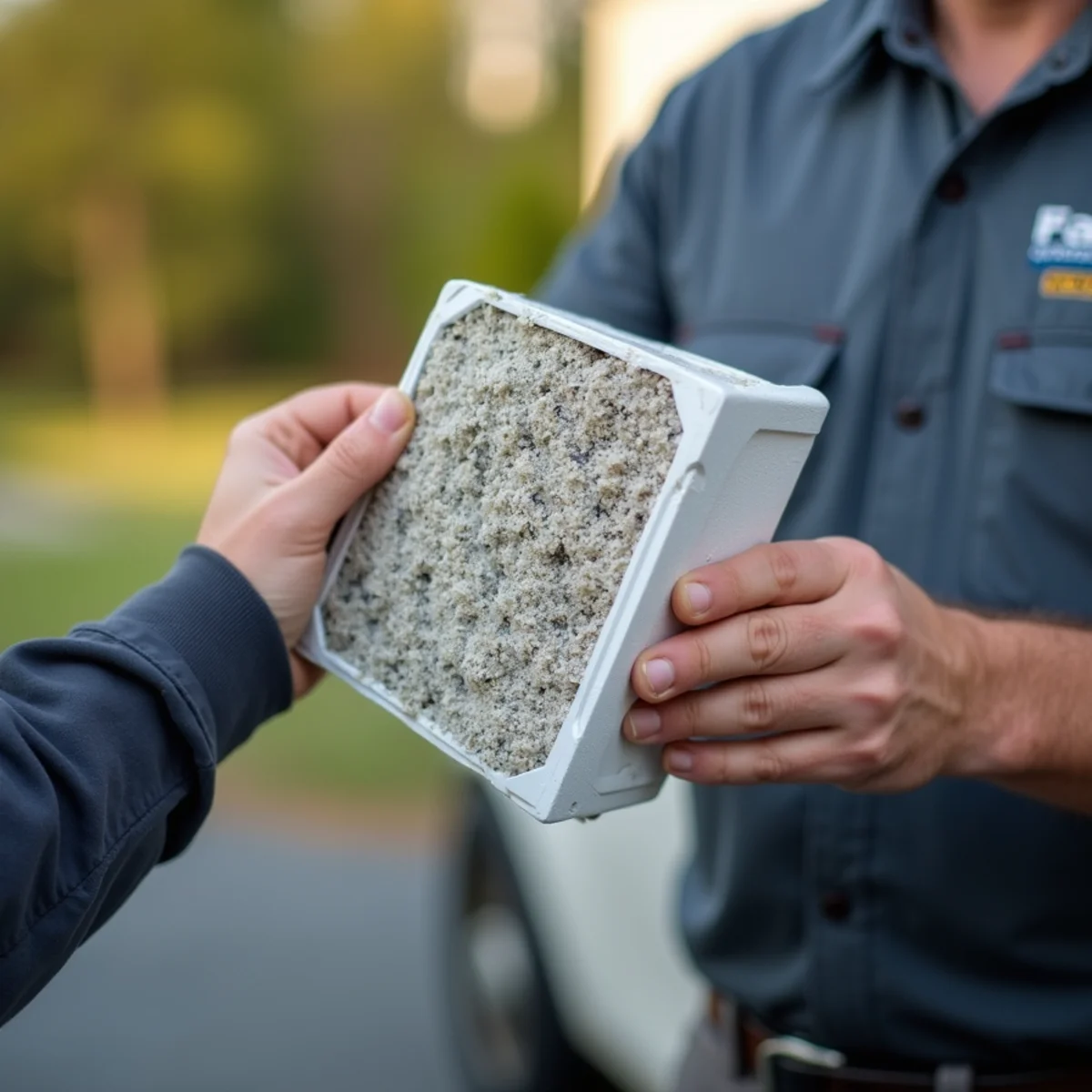
Most of the year, a schedule of changing your HVAC filter every one to three months works fine. Then Cobb County pollen season arrives, the air turns yellow, and that schedule falls apart. During the heaviest weeks of pine pollen, a filter that would normally last three months can load up in a few weeks, and running a clogged filter costs you comfort, money, and sometimes the system itself.
This is a short, practical guide to how often to change your filter during pollen season and how to pick the right one, so your Kennesaw home breathes cleaner and your system does not suffocate.
Why a clogged filter is worse than no filter, almost
A filter's job is to protect the system and clean the air, but a clogged one does neither well. When pollen packs the filter, airflow drops, and that starves the whole system.
- Reduced airflow makes the AC work harder and run longer, raising your power bill.
- Low airflow across the coil can cause it to freeze, which shuts down cooling entirely.
- A choked system strains the blower motor, shortening its life.
- Once a filter is fully loaded, it stops catching new pollen effectively, so your indoor air quality suffers anyway.
A realistic pollen-season schedule
The right interval depends on your filter, your home, and how heavy the pollen is, but here is a practical framework for a Cobb County spring.
- Standard one-inch filters: check every two weeks during peak pollen and expect to change monthly or sooner.
- Thicker four- or five-inch media filters: check monthly, since they hold more, but do not assume they last their full rated life during peak pollen.
- Homes with pets, allergy sufferers, or lots of trees: change more often, because your filter loads faster.
- The reliable method is not the calendar, it is looking. Hold the filter up to a light, and if you cannot see light through it, change it.
Picking the right filter, not just the fanciest
It is tempting to buy the highest-rated filter on the shelf during allergy season, but the highest MERV rating is not automatically best. A very dense filter that your system cannot pull air through does more harm than a moderate one, because it chokes airflow just like a clogged filter.
- MERV ratings measure how fine a filter captures. Higher catches more, but also restricts airflow more.
- Most residential systems do well with a mid-range filter that balances filtration and airflow.
- Check what your system is designed for before jumping to a high-restriction filter, and when in doubt ask a technician.
- Match the size exactly, and make sure it is installed with the airflow arrow pointing the right way.
When filters alone are not enough
If someone in your home has serious allergies or asthma and pollen season is miserable indoors despite diligent filter changes, the filter may not be the whole answer. A standard filter protects the equipment and catches larger particles, but it is not a comprehensive air-cleaning system. Options like a dedicated air cleaner, better duct sealing so unfiltered air is not sneaking in, and properly controlled humidity all improve indoor air quality beyond what a filter alone can do. An indoor air quality assessment can tell you whether your home would benefit from more than filter changes.
Do not forget what the filter cannot catch
Even a perfect filter schedule does not clean the pollen that has already settled into your outdoor coil, your ductwork, or the return leaks pulling in unfiltered air. Pollen season is a good prompt to think about the whole system, a coil rinse outside, a check for duct leaks, and a look at whether your returns are drawing air from dusty places like an unsealed crawl space. The filter is the first line of defense, not the only one.
Get your whole system pollen-ready
Changing filters on schedule is the easiest high-value thing you can do during Cobb County pollen season, but it works best as part of a system that is clean and sealed. If your home is dusty or allergy-heavy despite regular filter changes, HVAC Kennesaw GA can assess your filtration, ductwork, and indoor air quality and recommend the right filter and any upgrades worth making. Call us at +1 (327) 210-5999 to breathe easier this spring.
Frequently Asked Questions
How often should I change my filter during pollen season?
Is a higher MERV filter always better for allergies?
My allergies are still bad even with fresh filters. What else can I do?
Need a hand from a local Kennesaw HVAC tech?
Same-day service across Kennesaw & Acworth — 24/7 during ice storms and heat waves.
3600 Kennesaw N Ind Pky, Kennesaw, GA 30144