
Kennesaw Climate & Local Conditions
Kennesaw's 1970s-2000s Subdivisions Are Hitting the HVAC Replacement Wave
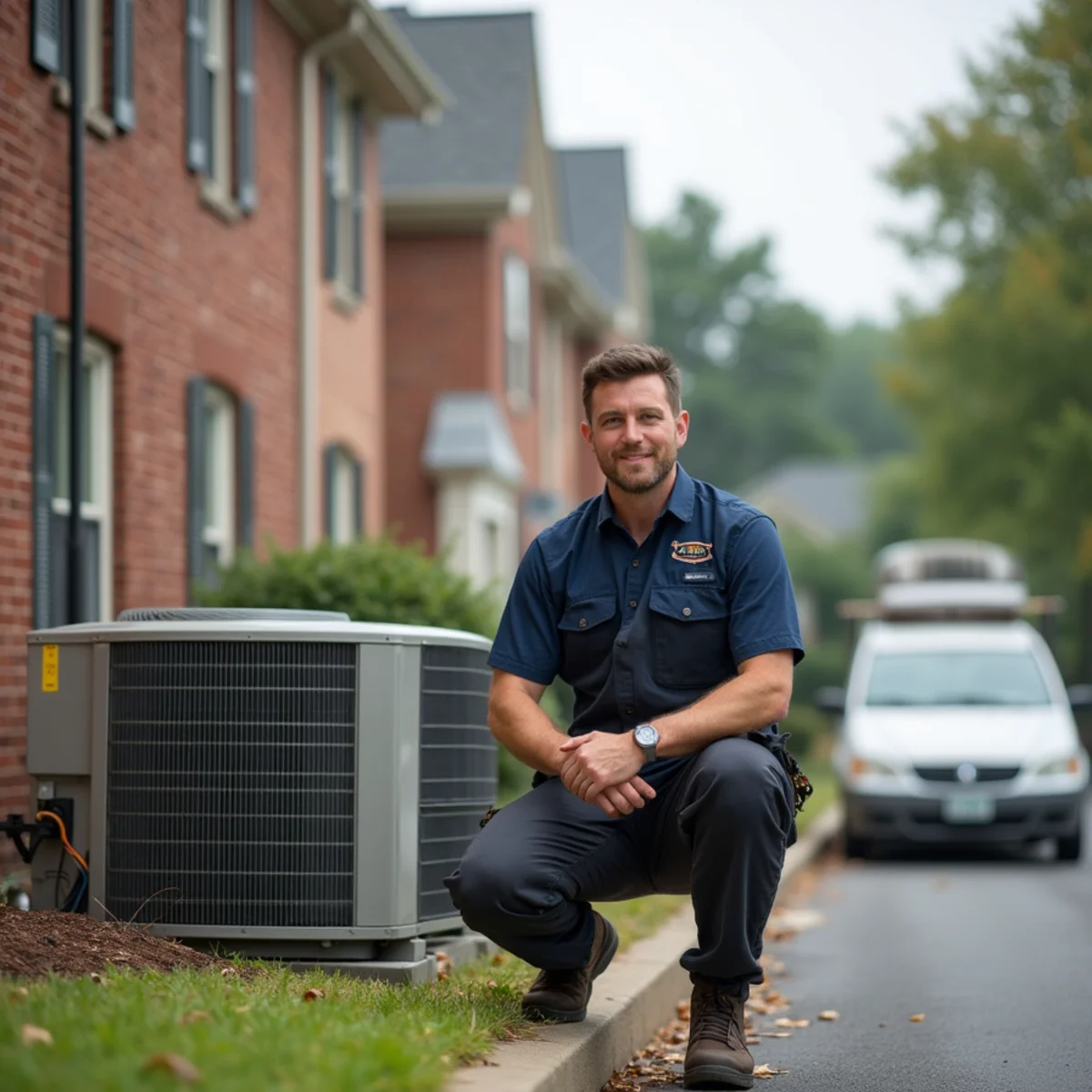
Why your neighbor is replacing their AC the same summer you are
Drive through Legacy Park, Shiloh Hills, or any of the subdivisions that filled in around Kennesaw from the 1970s through the 2000s, and you are looking at homes built in tight clusters over a few years. When a builder puts up a hundred houses in three seasons, they install a hundred HVAC systems of similar age, brand, and sizing. Two or three decades later, those systems age out together.
That is why it feels like everyone on your street is suddenly getting a new outdoor unit. It is not a coincidence, it is the replacement wave. Kennesaw is right in the middle of it, and understanding the pattern helps you plan instead of getting caught by a July breakdown.
How long HVAC systems really last in Georgia
The rule of thumb is that an air conditioner lasts 12 to 17 years and a furnace 15 to 20. In Georgia, the cooling side often lands at the shorter end of that range because our systems run hard for a long cooling season with high dew points and heavy pollen. A unit installed in a subdivision built in 2005 is now 20 years old, well past its expected life. Homes from the 1990s are on their second system and eyeing a third.
Age alone is not a death sentence, but it changes the math. Every repair on a 20-year-old system is a bet on an aging machine, and at some point the smart money is on replacement.
Signs your subdivision-era system is near the end
You do not have to guess. These are the patterns that tell us a system is entering replacement territory.
- It uses R-22 refrigerant, which is phased out and expensive when a leak needs recharging.
- Repairs are coming more than once a season, and the parts are getting harder to source.
- Power bills are climbing even though your habits have not changed.
- Some rooms never keep up, especially upstairs or over the garage.
- The system is loud, short cycles, or leaves the house humid despite running constantly.
The R-22 factor for older Kennesaw homes
If your system dates to the early 2000s or before, it very likely runs on R-22 refrigerant. Production of R-22 has been phased out, so the only supply is recycled and reclaimed stock, and the price reflects that scarcity. A refrigerant leak on an R-22 system can cost several hundred dollars just to top off, and you are paying to refill a system that will leak again. When homeowners learn what an R-22 recharge costs against a leaking coil, replacement usually starts to look like the better spend.
Why a like-for-like swap is not always right
A tempting shortcut is to replace an old unit with the same size that was there. But subdivision builders often oversized systems to be safe, and homes have changed since. New windows, added insulation, a finished basement, or a sealed attic all change the cooling load. Installing the same tonnage as 1998 can leave you with a system that short cycles and never dehumidifies, the sticky-house problem so common in Georgia.
The right approach is a load calculation, a real measurement of what your specific house needs today, factoring in square footage, orientation, insulation, ductwork, and window area. It is the difference between a system that fits your home and one that just happens to bolt into the same spot. A proper ductwork evaluation often comes with it, because subdivision-era duct is frequently undersized or leaky.
Planning the spend instead of reacting to a breakdown
The worst time to buy an HVAC system is the day yours dies in a heat wave, when you are choosing under pressure. The best time is now, while your old system still limps along and you can plan. Published Atlanta-area ranges put a central AC install around $3,500 to $7,500 and a full AC and furnace replacement around $5,000 to $12,500, with some jobs higher depending on ductwork, efficiency, and access. Your actual number depends on a diagnosis of your home, not a phone estimate, but knowing the range lets you budget.
- Get an assessment before the system fails so you can compare options calmly.
- Ask about SEER2 efficiency levels and what the payback looks like on your bills.
- Confirm the installer pulls the required permit and does a load calculation, not a guess.
- Understand the warranty on both parts and labor before you sign.
Get ahead of the wave with an honest assessment
If you live in one of Kennesaw's established subdivisions and your system is showing its age, do not wait for the July failure. HVAC Kennesaw GA will assess your current system, run a proper load calculation, and give you honest options with real Atlanta-area cost ranges and a clear caveat that your quote depends on the diagnosis. Call us at +1 (327) 210-5999 and get ahead of the replacement wave instead of being caught by it.
Frequently Asked Questions
My AC still works, so why replace it now?
Should I just replace my old unit with the same size?
How do I know if my system uses R-22 refrigerant?
Need a hand from a local Kennesaw HVAC tech?
Same-day service across Kennesaw & Acworth — 24/7 during ice storms and heat waves.
3600 Kennesaw N Ind Pky, Kennesaw, GA 30144