Seasonal Checklists
Fall Furnace Check Before North Georgia's First Freeze
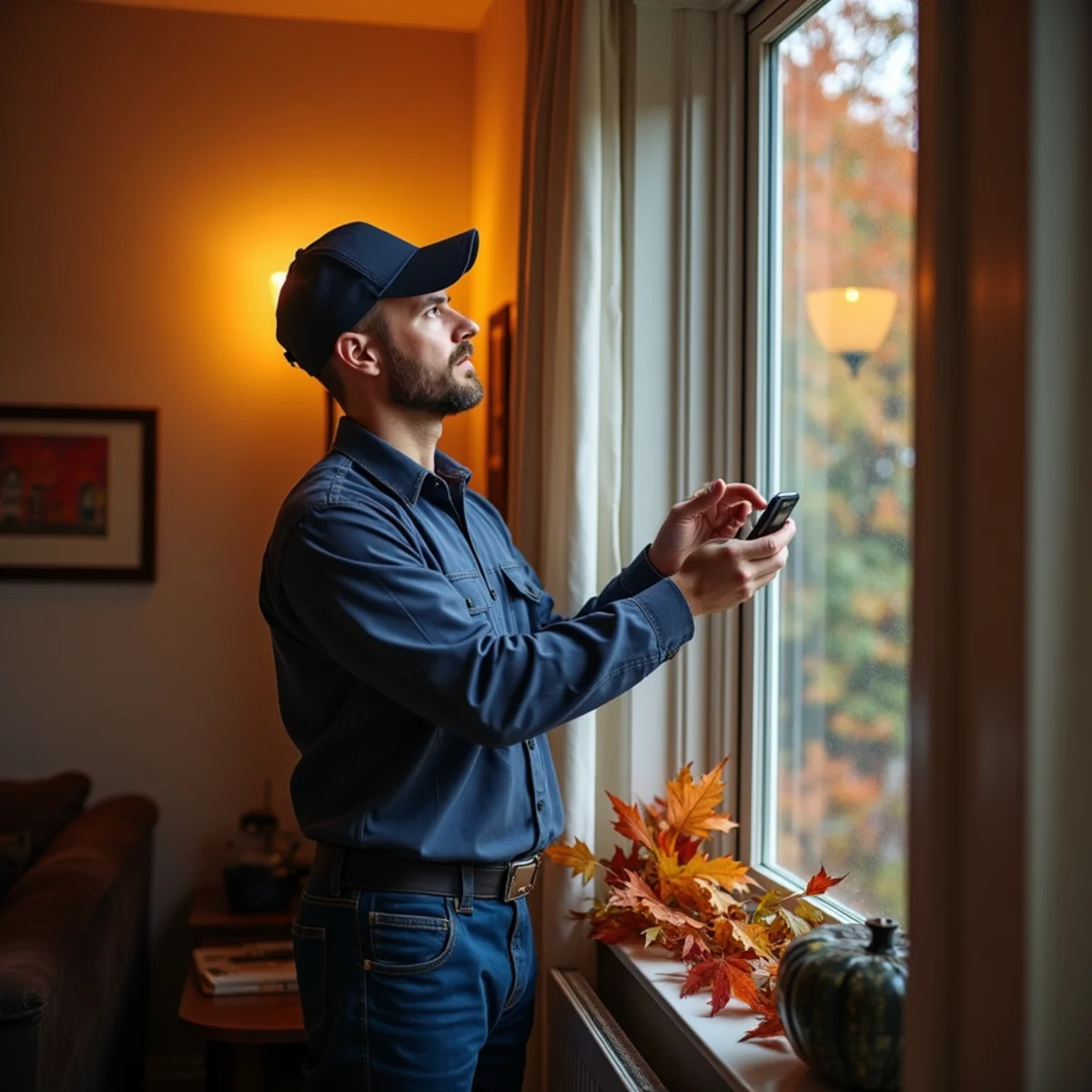
The furnace has been off for six months
In North Georgia your furnace or heat pump sits idle from spring through early fall, six months or more of doing nothing while the AC carries the load. Then the first cold night arrives, you flip the thermostat to Heat, and you find out whether anything went wrong while it slept. For a lot of Kennesaw and Marietta homeowners, that first cold night is when they discover their heat does not work.
It does not have to be that way. ENERGY STAR recommends a heating check every fall, and a little attention before the first freeze turns a potential emergency into a non-event. Here is what to do.
Change the filter and clear the vents
The heating season starts with the same fundamental as cooling, clean airflow. A dirty filter chokes a furnace just like it chokes an AC, and a restricted furnace can overheat and shut itself down on a safety limit.
- Replace the filter before you start the heating season, and keep to a regular schedule through winter.
- Walk the house and make sure supply vents and cold-air returns are open and not blocked by furniture or rugs.
- Clear anything stored around the furnace or air handler, since clutter is both an airflow and a fire concern.
Do the first-burn test on your terms
The smart move is to run the heat for the first time on a mild fall day, not on the first freezing night. Turn the thermostat to Heat and set it a few degrees above room temperature, then pay attention.
- Expect a burning smell for the first few minutes as dust burns off the heat exchanger. It should fade quickly.
- Confirm warm air actually reaches the vents within a few minutes.
- Listen for banging, booming on ignition, or persistent rattling, which are worth a professional look.
- If the smell lingers, the system short cycles, or you get no heat at all, you have found the problem while it is still just a fall day.
Take carbon monoxide seriously
A gas furnace burns fuel, and a cracked heat exchanger or venting problem can put carbon monoxide into your home. This is the part of fall furnace prep that is about safety, not comfort, and it is not optional.
- Make sure you have working carbon monoxide detectors on each level and near sleeping areas, and test them.
- Replace CO detector batteries at the start of heating season.
- If a detector ever alarms, get everyone outside and call for help, do not investigate.
- A persistent burning or acrid smell, soot around the furnace, or frequent headaches indoors all warrant an immediate professional inspection.
Check the thermostat and controls
Fall is the time to confirm your thermostat is doing what you think it is. Switch it to Heat and verify the system responds. If you have a heat pump with backup heat, understand the difference between normal Heat and Emergency Heat so you use each correctly when a cold snap hits. If the thermostat is unreliable, replacing it before winter is cheap insurance against a no-heat night caused by a dead control rather than a dead furnace.
Know the difference between a quirk and a real problem
Some first-of-the-season furnace behavior is normal, and some is a warning. Knowing which is which keeps you from ignoring a real issue or panicking over a harmless one.
- Normal: a brief dust-burning smell on first startup, some ticking as ducts expand, a short delay before the blower kicks in.
- Warning: a burning smell that will not fade, booming or delayed ignition, short cycling on and off, weak or no heat, and any soot or unusual staining.
- Warning: the furnace runs but the house never warms, which can point to airflow, ignition, or heat exchanger problems.
Book the fall heating check before the rush
A homeowner checklist gets you started, but a professional heating check tests the components that fail under load, inspects the heat exchanger for cracks that leak carbon monoxide, verifies safe combustion and venting, and confirms the backup heat works. It is far better to find a worn part in October than at 2 a.m. during the first freeze. Published Atlanta-area furnace repairs run roughly $130 to $650 depending on the fault, and a fall check often catches the small issue before it becomes the big one.
Get your North Georgia furnace checked before the first freeze. Call HVAC Kennesaw GA at +1 (327) 210-5999 to schedule your fall heating inspection, and head into winter knowing your heat will be there when you need it.
Frequently Asked Questions
Why does my furnace smell like burning when I first turn it on?
When should I schedule a furnace check in North Georgia?
Do I really need carbon monoxide detectors with a gas furnace?
Need a hand from a local Kennesaw HVAC tech?
Same-day service across Kennesaw & Acworth — 24/7 during ice storms and heat waves.
3600 Kennesaw N Ind Pky, Kennesaw, GA 30144